
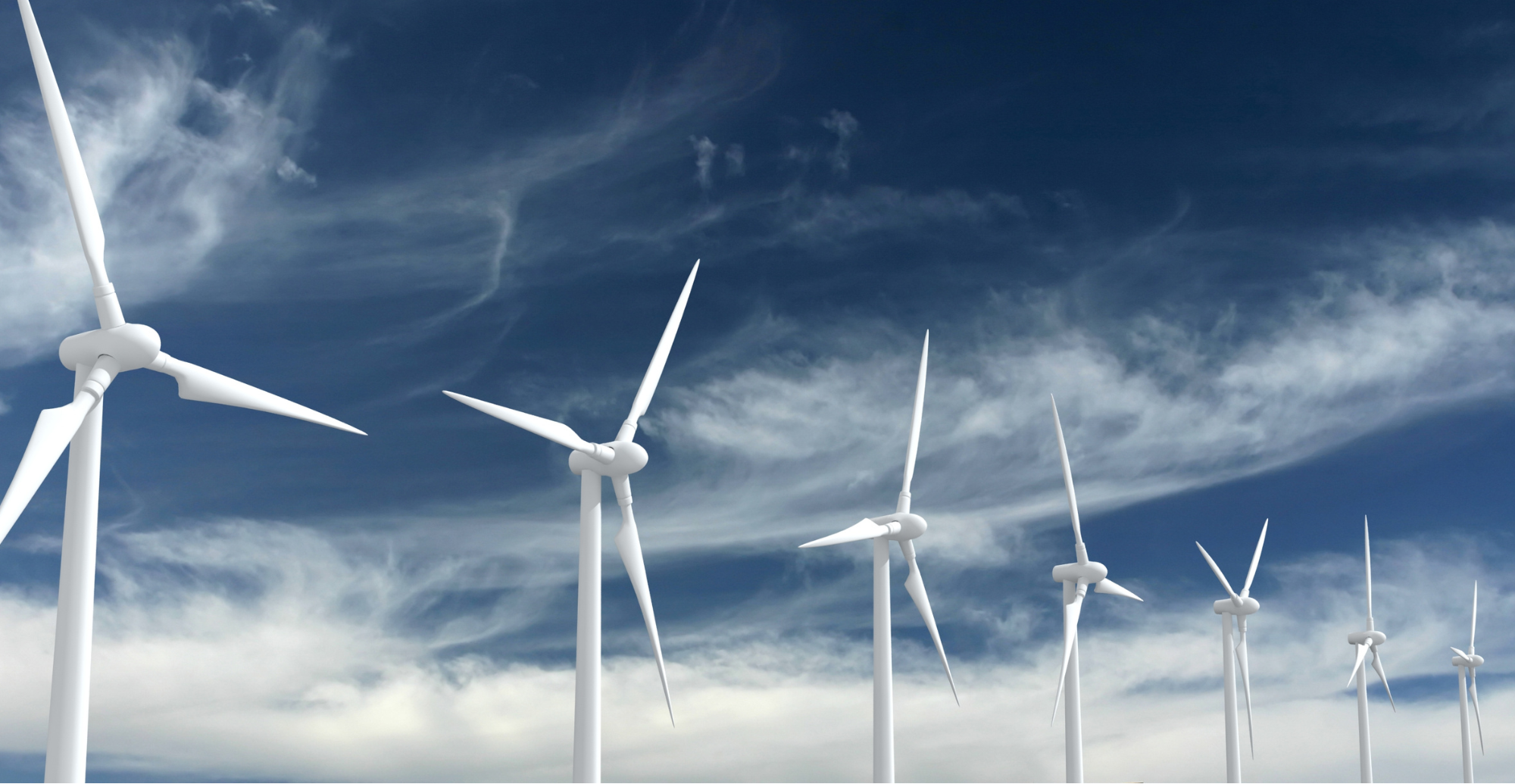
Global Wind Day is celebrated every year on June 15 to spread awareness about the importance of wind energy and how it can help build a more sustainable future. It’s organized by WindEurope and the Global Wind Energy Council (GWEC), and the goal is to help people understand how wind power works and why it’s useful. On this day, different activities like school presentations, tours of wind farms, and public outreach events take place around the world to show the benefits of using wind instead of fossil fuels. By these efforts to further inform people of the benefits of wind energy, the idea is spread and more knowledge about this cleaner source of energy is gained by everyday people. This is simply the first step.
Wind plays a major role in both nature and human life. It helps shape our environment and, more recently, has become a key resource for clean energy. With newer and more advanced technology, wind turbines can generate electricity without causing pollution or using up water. Many countries are investing more in wind energy because it helps reduce carbon emissions, supports the fight against climate change, and creates jobs in different industries like construction and maintenance. Wind energy sources such as turbines also are less costly in the long run. Once installed, there is little to no operating costs to continue the usage of the turbine. This makes wind energy more cost effective compared to other expensive and unclean energy sources.
Besides producing energy, wind has always affected our world in other ways. It impacts weather, helps move ocean currents, and has influenced human activities like farming, sailing, and trade for centuries. Today, scientists and engineers still study wind patterns to help with things like flight safety and storm tracking. Wind plays a role in every environment in our world which is what makes it so important. Life on Earth would deplete and even cease to exist without it. Global Wind Day is a good chance to appreciate how this natural force affects so many parts of life, and how it can continue to help us move toward a cleaner, more efficient future.