
The information provided in this post is for educational purposes only and is not intended as medical advice. Always consult a healthcare professional before making any changes to your diet or exercise routine.
Pickleball is a fast-growing sport that combines elements of tennis, badminton, and ping-pong. It’s played on a court roughly the size of a badminton court with a low net similar to tennis. Players use solid paddles to hit a perforated plastic ball—somewhat like a wiffle ball—back and forth over the net. Pickleball can be played as singles or doubles, mens, womens, or mixed, and the rules are fairly easy to learn. This makes the game very accessible even to beginners. The objective is to score points by winning rallies, with games typically played to 11 points, requiring a two-point lead to win. The game sounds pretty simple, but there is a lot of technique and strategy that goes into it, especially once the competition level increases.
In terms of physical activity, pickleball provides a well-balanced workout that mixes steady movement with quick bursts of energy. Players constantly shift side to side, move forward and backward, and engage in fast hand-eye coordination as they respond to their opponent’s shots. The game is especially active during volleys near the net, which require fast reflexes and sharp focus. While the intensity doesn’t usually reach the level of high-impact sports like full-court basketball or singles tennis, it still gets the heart rate up and burns calories. Because of the shorter court and more controlled movement, players can engage in longer play sessions with less physical strain. This makes it an ideal form of moderate exercise that can be adapted to suit different fitness levels, whether someone is looking for a light recreational activity or a more vigorous workout.
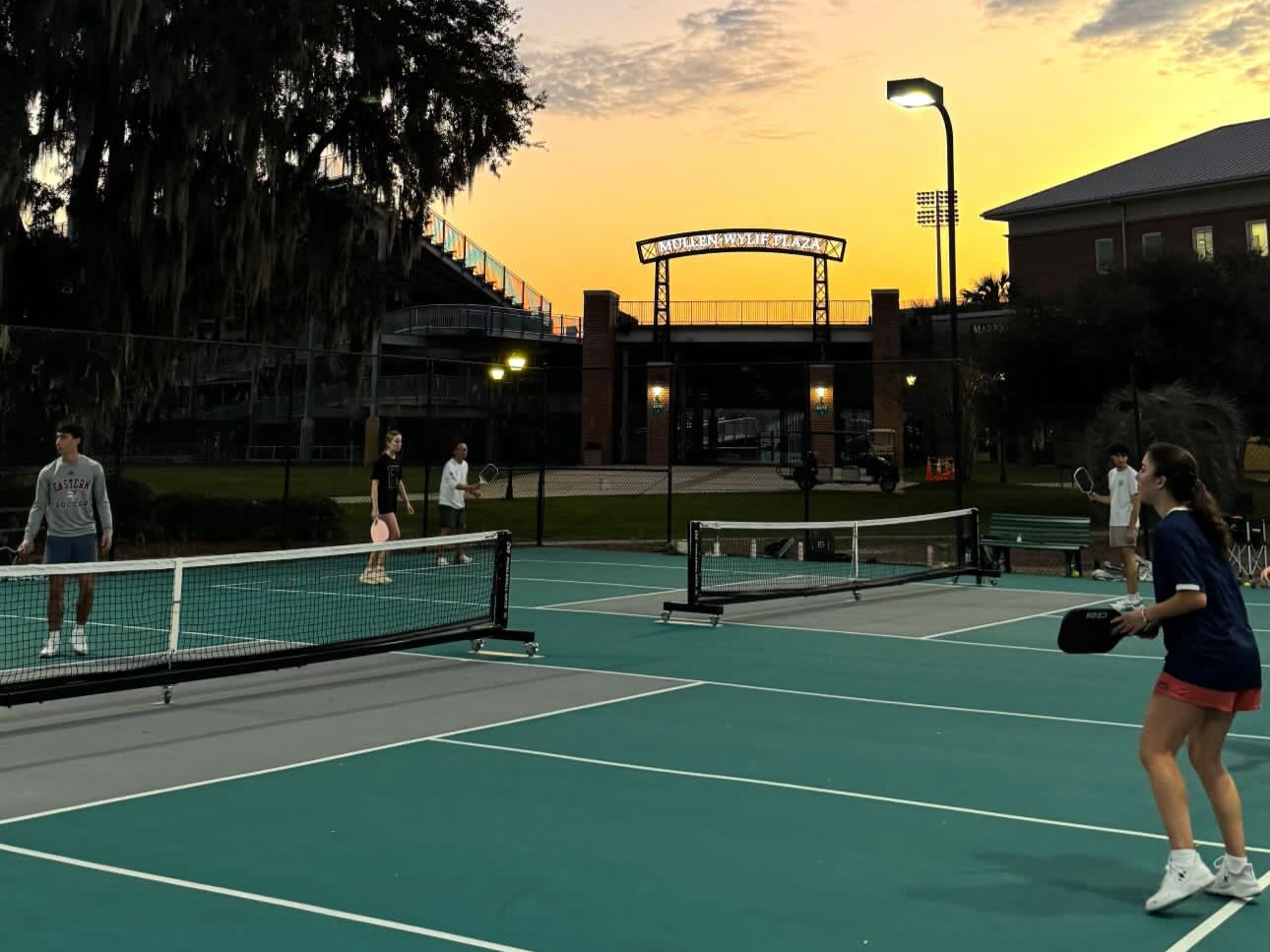
What makes pickleball especially unique is how it brings together people of all ages and backgrounds. It has become incredibly popular among older adults due to its lower-impact nature and the ability to play at a comfortable pace without excessive strain on the joints. At the same time, younger athletes are increasingly drawn to the sport for its quick action, competitive edge, and strategic gameplay. This multigenerational appeal is reflected in the growing number of courts being built at schools, parks, community centers, and senior living facilities. Whether it’s played casually in a backyard or competitively in a local league, pickleball offers an inclusive environment where players of varying skill levels can connect. This makes it not just a physical activity, but a social one, encouraging interaction and community-building across age groups.
The health benefits of playing pickleball extend well beyond basic fitness. Regular play improves cardiovascular endurance, helps regulate blood pressure, and supports better circulation. It strengthens key muscle groups—particularly in the arms, legs, and core—and enhances balance and coordination, which are especially important as people age. Mentally, the sport requires quick decision-making, anticipation, and spatial awareness, all of which help keep the brain sharp. There’s also a strong emotional component: the social nature of the game can boost mood, increase feelings of connection, and help combat loneliness or isolation. These combined benefits make pickleball a powerful tool for overall wellness. It’s not just a sport—it’s a lifestyle activity that supports long-term physical and mental health while remaining accessible and fun for nearly everyone.
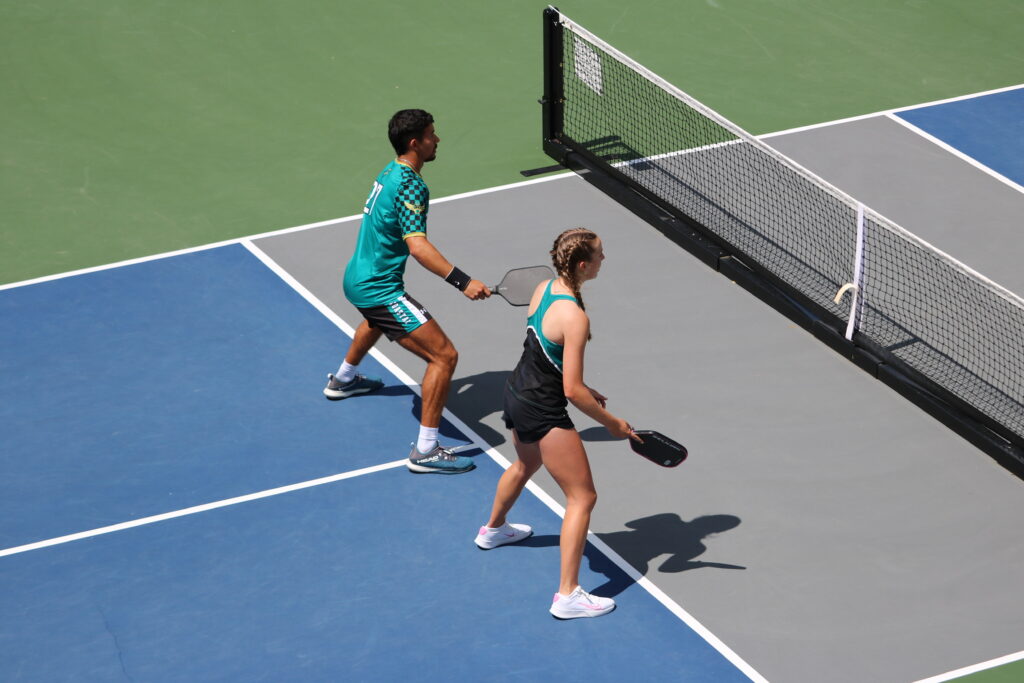
I am personally very passionate about this game. I picked it up through my college that offered a pickleball club for any student to join. I tried out for the competitive team, although they also offered a recreational group to come out and play for fun. I made the team and very quickly met so many new people and got many new friends. I even met my now boyfriend through the team who is also very passionate about pickleball. I came out multiple times a week with the club to practice by either drilling or friendly gameplay. It was a pretty easy game for me to pick up, and soon enough I was going to tournaments for my school and playing other people with my same passion. My team ended up winning a bid to the Collegiate National Tournament held in Atlanta, Georgia. I came in contact with so many schools and teams and was able to watch a lot of gameplay. Overall, by joining a little pickleball club at my college I was able to meet many new people and be more outgoing, along with physically staying active while having fun.
Overall, pickleball has proven to be so much more than just a game. It has been a gateway to better health, meaningful relationships, and unforgettable experiences. What started as a casual interest quickly became a major part of my college life, helping me grow both socially and physically. The sport’s accessibility, versatility, and community-driven nature make it a perfect activity for people of all ages and skill levels. Whether you’re looking to compete at a high level, stay active, or simply connect with others, pickleball offers something for everyone. For me, it has been a source of joy, connection, and growth, and I truly believe it has the power to positively impact the lives of anyone willing to pick up a paddle and give it a try.